





Shillong, Apr 7: The state today observed World Health Day under the theme, “Together for Health: Stand with Science,” with a renewed focus on equitable access, early screening, and strengthening last-mile service delivery.
Health authorities highlighted the state’s ongoing efforts to make healthcare more accessible, affordable, and inclusive, while calling for greater community participation, particularly in preventive care and early diagnosis.
East Khasi Hills Deputy Commissioner Rosetta Mary Kurbah stressed the importance of annual health check-ups for families, adding that male participation is crucial when it comes to family health. She stated, “We need to take the expert knowledge that we receive. Science has transformed lives.”
DHS (MI) J. S. Momin addressed the ongoing improvements in healthcare infrastructure. She informed that the state has 489 sub-centers, 110 PHCs, 23 CHCs and 11 district hospitals along with expanding health and wellness delivering primary health services.
Moreover, she emphasised that screening is a powerful tool for ensuring early treatment, and acknowledged the efforts made by ASHAs, who are the backbone of the healthcare delivery system.
Health experts also delivered talks focusing on holistic women’s health and the importance of reproductive care, cancer and heart screening.
To commemorate the day, the NCD (Non-Communicable Diseases) Cell under the office of the DM & HO, East Khasi Hills, conducted health screening for non-communicable diseases for individuals aged 30 years and above.
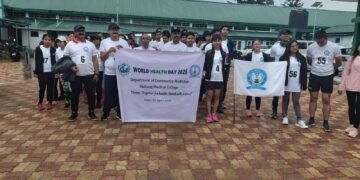
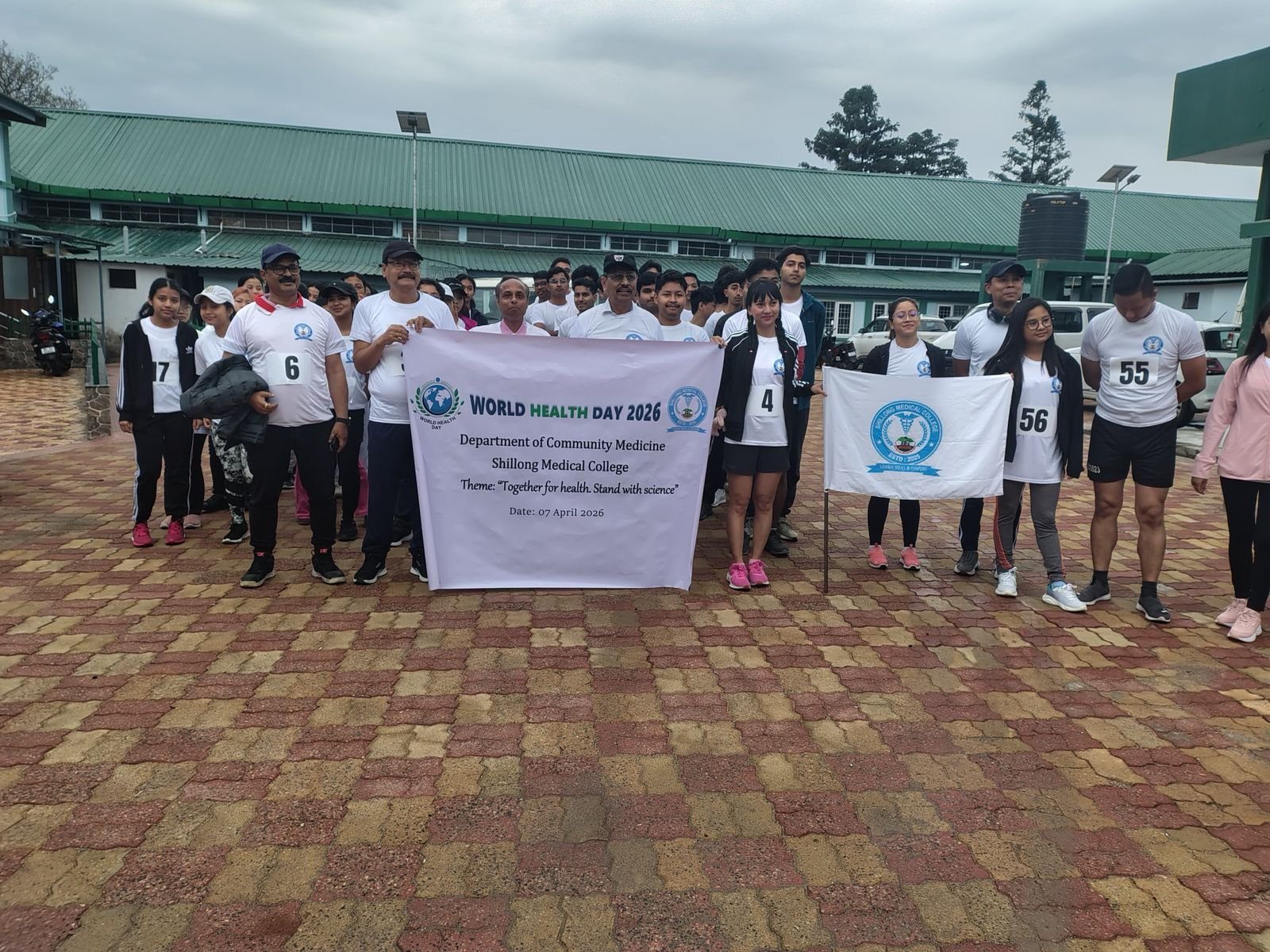
The Department of Community Medicine, Shillong Medical College also observed the day with a series of activities to promote public health awareness.
The programme began with a marathon followed by a field visit to Lum Sohriew village under Mawphlang block to enhance practical understanding of rural healthcare delivery as well as to create awareness about World Health Day.
The Department of Public Health Social Work, School of Social Work, in collaboration with the Department of Nutrition and Dietetics at Martin Luther Christian University, conducted an interactive discussion on maternal health and nutrition guided by this year’s theme along with the sub-theme, “Ïng Lyngkha i Mei.”
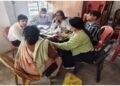
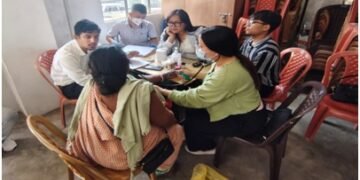
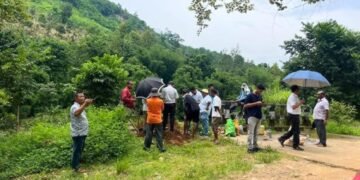
The interactive session was held at Lumdiengsai Village under the Mawryngkneng block. Set in a paddy field, the discussion brought together faculty members, students, and mothers from the village, creating an open and participatory space for dialogue.
During this interactive session, several critical issues were at the forefront, particularly maternal health, food habits, and community cleanliness. Participants emphasised that maintaining cleanliness is essential for a healthy community. However, they raised concerns about the declining focus on cleanliness among both children and adults. With only one community cleanliness drive organized per year, there was a strong consensus on the necessity for more frequent initiatives to keep the community healthy.
The discussion on food habits sparked a positive response, with mothers expressing eagerness to learn and implement better nutritional practices. This is crucial in preventing anemia and improving not only their health but also that of their children. Concluding the session, there was a shared commitment to heightening community awareness and promoting sustainable health practices.