










Former Home Minister RG Lyngdoh has called on the business community not to give into the demands of the outlawed Hynñiewtrep National Liberation Council (HNLC) militant group as that will only turn the tiger cubs into man-eaters.
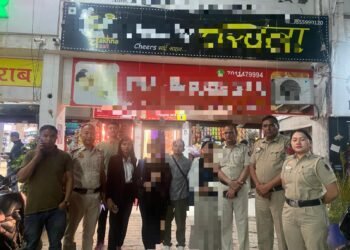
Lyngdoh, under whom so much was done to break the back of the HNLC in the 2000s, said this a day after an improvised explosive device (IED) blast in Police Bazaar here yesterday evening. The HNLC took responsibility for the attack today, saying it had carried out the attack because businesses in the area had not paid them a so-called tax.
“The bomb blast at Khyndailad is supposed to create fear among the traders,” Lyngdoh said in a statement today. “This is a tactic used before by militants to bully soft targets. The next step will be to send extortion notes with the threat that the next blast will be targeted at individuals. However, paying these militants will be like feeding tiger cubs who will turn into man-eaters tomorrow.”
Instead of paying extortion money to the militants, Lyngdoh encouraged the business owners to use those funds to install CCTV cameras in and around their homes and shops.
It was during his tenure as Home Minister that the state authorities, in order to deny funding to the HNLC, began registering police cases against any business for supporting militancy if they gave in to extortion demands.
“Society should also come out as one community to help each other. If we do not stand together to fight these antisocial elements we will all be victimised. Remember the late 1990s and early 2000s. We all suffered. Only when we all – traditional institutions, civil society, media, businessmen, police and the politicians – worked together could we bring peace and revive our economy. Let us not go back to those days,” Lyngdoh stated.
He also called on the government to identify the reasons that have led to the youth becoming frustrated enough to join militant groups. Politicians from across party lines and the youth themselves should come forward to tackle the problem, he added, which is not a communal one because it affects all communities.
“Let us not fall prey to their tactics. Let us not be selfish. Let us stand united to fight this trend of violence,” Lyngdoh concluded.