








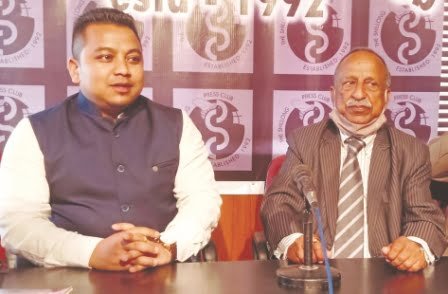
A member of the governing body of the Central Board of Secondary Education (CBSE), Prem Kashyap, who also took part in the framing of the new National Education Policy (NEP), said that Meghalaya will not find it difficult to implement the policy in the state.
“The government of India has made the training of all teachers in all schools compulsory. In the case of Meghalaya, which has a state board, [senior officials] will be trained and will in turn be training the teachers and there will be no difficulty in the implementation of the NEP,” Kashyap said at a press conference here today.
He also allayed fears that Sanskrit, a language alien to most of the population of Meghalaya, would be imposed on the students. The ancient language will only be a third language subject up to Class 8 and not compulsory.
Kashyap, who has been in the teaching profession for more than 35 years, also expressed willingness to meet teachers in the state to share his expertise in the education sector.
The 2002 winner of the CBSE National Award for Best Principal added, “We are motivating teachers and principals to really dedicatedly work for the benefit of children and quality education.”
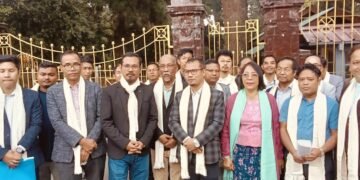
Meanwhile, cabinet minister Dasakhiatbha Lamare, a former student of the Pestle Weed School (of which Kashyap is also Chief Executive Director) was also present at the press conference.
“As a member in the government I think education is one of the most important sectors for a student to develop and the state to grow, including in the rural areas and if the NEP is to be implemented for the betterment of the country then we should not back down and the state government will also do whatever it takes,” he said, adding that even though Meghalaya is facing a financial crunch the state government will not compromise on education.
When asked about teachers who are hitting the street over various grievances, Lamare said that even though the government is in the process of finding solutions and losing sleep to address all the existing problems, it does not mean these can be hurdles to another kind of education system to come.
“I think no matter what we have to finish off all the existing problems and also see that the NEP is implemented and not let the state be behind the other states,” he stated.