







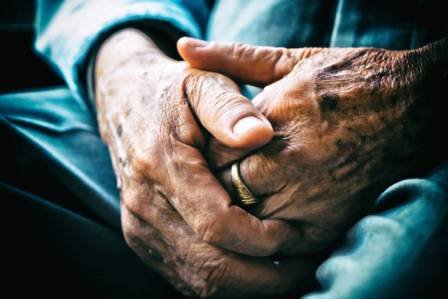
Meghalaya scored 56 and was ranked second among states in the North East in the index for quality of life for the elderly persons.
The Quality of Life for Elderly Index was released recently by Dr Bibek Debroy, Chairman, Economic Advisory Council to the Prime Minister (EAC-PM).
Rajasthan and Himachal Pradesh are top-scoring regions in Aged and Relatively Aged States, respectively.
Chandigarh and Mizoram are top-scoring regions in Union Territory and North-East states category.
The Aged States refer to states with an elderly population of more than 5 million, whereas Relatively Aged States refer to states with an elderly population of less than 5 million.
The index has been created by the Institute for Competitiveness at the request of EAC-PM and it sheds light on an issue often not mentioned- problems faced by the elderly.
The report identifies the regional patterns of ageing across Indian states and assesses the overall ageing situation in India. The report presents a deeper insight into how well India is doing to support the well-being of its ageing population.
The index framework includes four pillars: Financial Well-being, Social Well-being, Health System and Income Security, and eight sub-pillars: Economic Empowerment, Educational Attainment & Employment, Social Status, Physical Security, Basic Health, Psychological Wellbeing, Social Security and Enabling Environment.
The Health System pillar observes the highest national average, 66.97 at an all-India level, followed by 62.34 in Social Well-being. Financial Well-being observes a score of 44.7, which is lowered by the low performance of 21 states across the Education Attainment and Employment pillar, which showcases scope for improvement
States have performed particularly worse in the Income Security pillar because over half of the states have a score below the national average, i.e., 33.03 in Income Security, which is the lowest across all pillars.
These pillar-wise analyses help states assess the state of the elderly population and identify existing gaps that obstruct their growth
The index highlights that the best way to improve the lives of the current and future generations of older people is by investing in health, education and employment for young people today.