













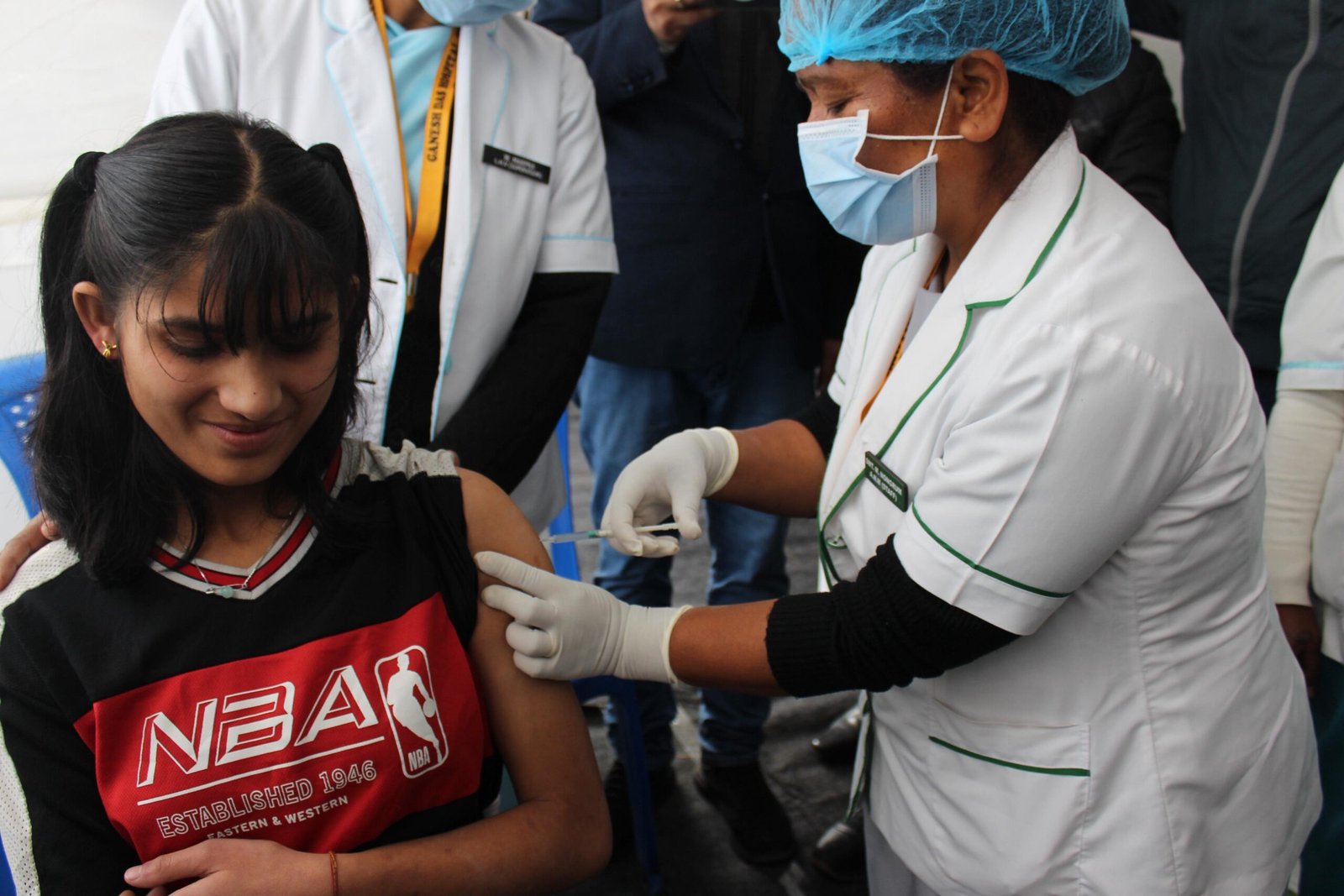
Shillong, Sep 3: Meghalaya has vaccinated only 1,841 of the nearly 40,000 girls targeted under its ongoing Human Papillomavirus (HPV) vaccination campaign, prompting the Health Department to step up efforts to address hesitancy and misinformation surrounding the vaccine.
Mission Director of the National Health Mission, Ramkumar S, said the state has so far covered around 5 percent of its target population of 39,796 children under the campaign.
The programme focuses on girls who have completed 14 years but have not yet turned 15, with the vaccine being provided free of cost at government health facilities, including Primary Health Centres, Community Health Centres and district hospitals.
Addressing the media, Ramkumar stressed that HPV vaccination is an important preventive measure against cervical cancer, which is the second leading cancer among women in Meghalaya.
He said HPV vaccination has been used successfully in more than 100 countries for over a decade and there is no scientific evidence to support claims that the vaccine causes infertility.
“There is no scientific evidence” linking the HPV vaccine to infertility, Ramkumar said, adding that the vaccine has undergone extensive research and is approved by the World Health Organisation.
Ramkumar said the HPV vaccine is most effective when administered before exposure to the virus, which is why the programme focuses on young adolescents. While the current government campaign primarily targets girls, he noted that boys in the same age group can also receive the HPV vaccine as they too can contract and transmit HPV-related infections.
The campaign assumes added importance in Meghalaya, where cervical cancer accounts for around 10 percent of cancers diagnosed among women and ranks second among female cancers.
Dr Anisha Mawlong, Head of the Department of Oncology at Civil Hospital, Shillong, said cervical cancer is caused primarily by persistent infection with high-risk HPV and is one of the few cancers that can be prevented through vaccination.
She said the availability of the vaccine free of cost under the government programme provides an important opportunity to protect young girls from the disease later in life.
“Cervical cancer is preventable. We can stop it through vaccination,” Dr Mawlong said, urging parents to ensure their daughters receive the vaccine.
According to her, vaccination can reduce the risk of cervical cancer by around 90–95%, making prevention at a young age particularly important.
The state is also preparing to introduce a combined screening and vaccination initiative called the “Mother and Daughter Duo” programme. Under the proposed initiative, mothers will be screened for HPV infection while their daughters will be counselled and vaccinated against HPV.
Dr Mawlong said the dual approach would allow the state to identify HPV infections among adult women while simultaneously protecting the next generation through vaccination.
The Health Department is also using awareness videos, testimonials, local-language information material and the involvement of community and faith leaders to address concerns over HPV vaccination.
Ramkumar said the state’s broader immunisation programme has already achieved around 90% coverage among children, although hesitancy continues to persist in certain areas.