











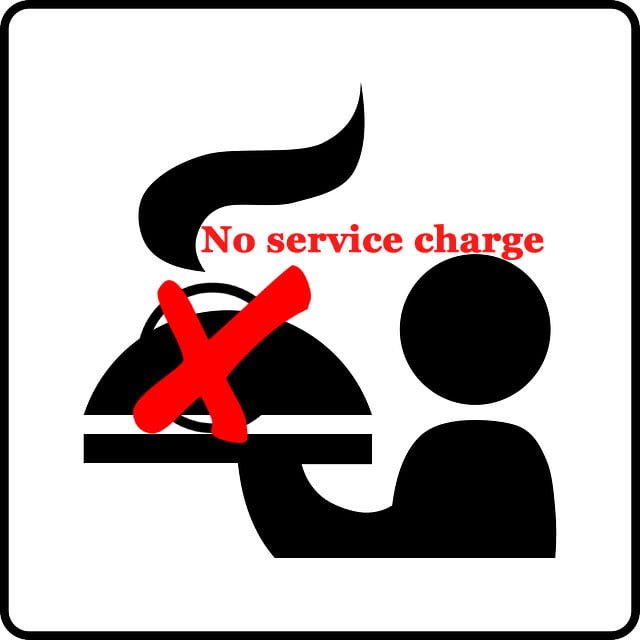
The Central Consumer Protection Authority (CCPA) has directed all Deputy Commissioners to ensure enforcement of guidelines issued with regard to service charge imposed by hotels and restaurants.
CCPA has written to Chief Secretaries of all states and union territories and Deputy Commissioners across India to arrange wide publicity of the guidelines along with its immediate implementation for protection of consumer interest.
The letter gives clear direction that levying of service charge by hotels and restaurants is in violation to the guidelines and constitutes unfair trade practice wherein affecting rights of consumers as a class, and cognizance of such complaints must be taken on priority.
“Upon receiving related complaints, the district collector may conduct an investigation pertaining to violation of the guidelines and submit the report to the CCPA within 15 days,” it said.
A number of consumers have registered their complaint on the National Consumer Helpline with regard to levying of service charge. From April 1, 2021 to June 20, 2022, as many as 537 complaints were lodged by consumers on levying of service charge.
The major grievances include hotels and restaurants making service charge compulsory, embarrassing consumers in case they resist paying service charge, adding service charge by some other name and suppressing from consumers that paying service charge is optional and voluntary.
From July 5, 2022 to July 8, 2022 after the guidelines were issued by CCPA, 85 complaints have been registered on the National Consumer Helpline NCH.
CCPA has clarified that the guidelines are not advisory in nature and are fully enforceable by law and have been issued under Section 18 (2) (l) of the Consumer Protection Act, 2019, which empowers the CCPA to issue necessary guidelines to prevent unfair trade practices and protect consumers’ interest.
It also said that if any consumer finds that a hotel or restaurant is levying service charge in violation to the guidelines, a consumer may make a request to the concerned hotel or restaurant to remove service charge from the bill amount.
The consumer can also lodge a complaint on the National Consumer Helpline, which works as an alternate dispute redressal mechanism at the pre-litigation level by calling 1915 or through the National Consumer Helpline mobile app.
The consumer can also file a complaint against unfair trade practice with the Consumer Commission. In addition, the consumer may submit a complaint to the Deputy Commissioner of the concerned district for investigation and subsequent proceedings by the CCPA. The complaint may also be sent to the CCPA by e-mail.
The difference between the new guidelines issued by CCPA and the previous guidelines by the Department of Consumer Affairs is that, in the intervening period, the erstwhile Consumer Protection Act, 1986 was replaced with the Consumer Protection Act 2019, which came into effect in July 2020.
It created a new statutory body – the Central Consumer Protection Authority, which has been empowered by the Parliament to take cognisance of the unfair trade practices.