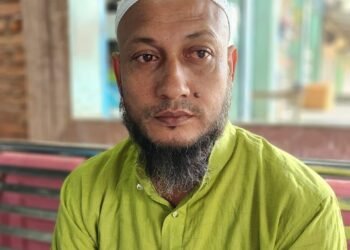













Shillong Dec 12: Barry Leslie Kharmalki, who has been living with HIV for 16 years, today said that the disease, once dreaded, now does not necessarily mean a death sentence, thanks to better treatment of the virus.
According to Kharmalki, antiretroviral therapy (ART) has transformed HIV from a terror into a chronic condition. Survival has now replaced panic and routine has replaced trauma.
However, better treatment and survival rates have led to another problem – complacency.
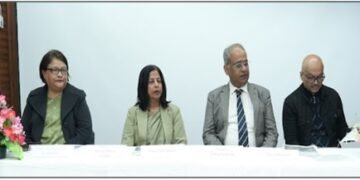
“This victory carries a shadow. Because in the comfort of progress complacency has returned,” he said while speaking during the observation of World Aids Day, organised by the Meghalaya State Network of Positive People.
Kharmalki, a well-known advocate for the rights of people living with HIV (PLHIV), sounded an alarm, with the increase in loss to follow-up (LFU), more pregnant women are testing HIV positive and more children are living with HIV. According to data from the Meghalaya Aids Control Society (MACS) there are about 500 children living with HIV in the state.
“More children are living with HIV – kids who should have been protected are in a struggle they never chose,” he said. “We are losing not because treatment failed but because we failed to keep them in care.”
According to him, co-infections like tuberculosis and hepatitis are increasing because late diagnosis and weak linkages continue to harm. Stigma is also a continuing issue faced by PLHIV.
Dr Didakamiwan Khonglah, a psychiatrist at SANKER, said that people mostly talk about administering medicines to people living with HIV but no one discusses their mental health.
“What is the use when you are taking medicines, are regular with your treatment but your mental well being is not fine?” Dr Khonglah said, adding that the emotional journey is more important for PLHIV.
“Some are in denial, some have guilt and mostly of all they have the feeling that they have lost that sense of direction in life, because of the negative attitude of everyone around,” she added.
Dr Khonglah said that if these emotions are pent up inside mental health problems develop which turns into depression. She said that due to this depression a person does not have any energy to do anything because they are sad and there’s a sense of worthlessness.
Dr Khonglah encouraged those with depression to talk to others about it since it one does not confess to another, they have suicidal tendencies.