











Shillong, Mar 24: Meghalaya has taken significant steps towards becoming tuberculosis (TB)-free, with as many as 1, 258 villages, declared TB-free status.
This was informed by National Tuberculosis Elimination Programme (NTEP) Assistant Programme Officer Dr AJ Rynjah today during a programme to observe World TB Day.
She highlighted technological advancements and community engagement, including the rollout of the second phase of the 100 Days Focus active case-finding campaign, which are contributing to the public health initiative.
Dr Rynjah said the state now ranks fourth in India, having completed 97 per cent of its diagnostic testing using advanced Naat machines. Alongside this, AI-enabled handheld digital X-rays have been introduced, providing results in just five minutes, she said.
She encouraged residents to fight against the stigma associated with the disease and to volunteer as ‘Ni-Kshay Mitras’ to support TB patients.
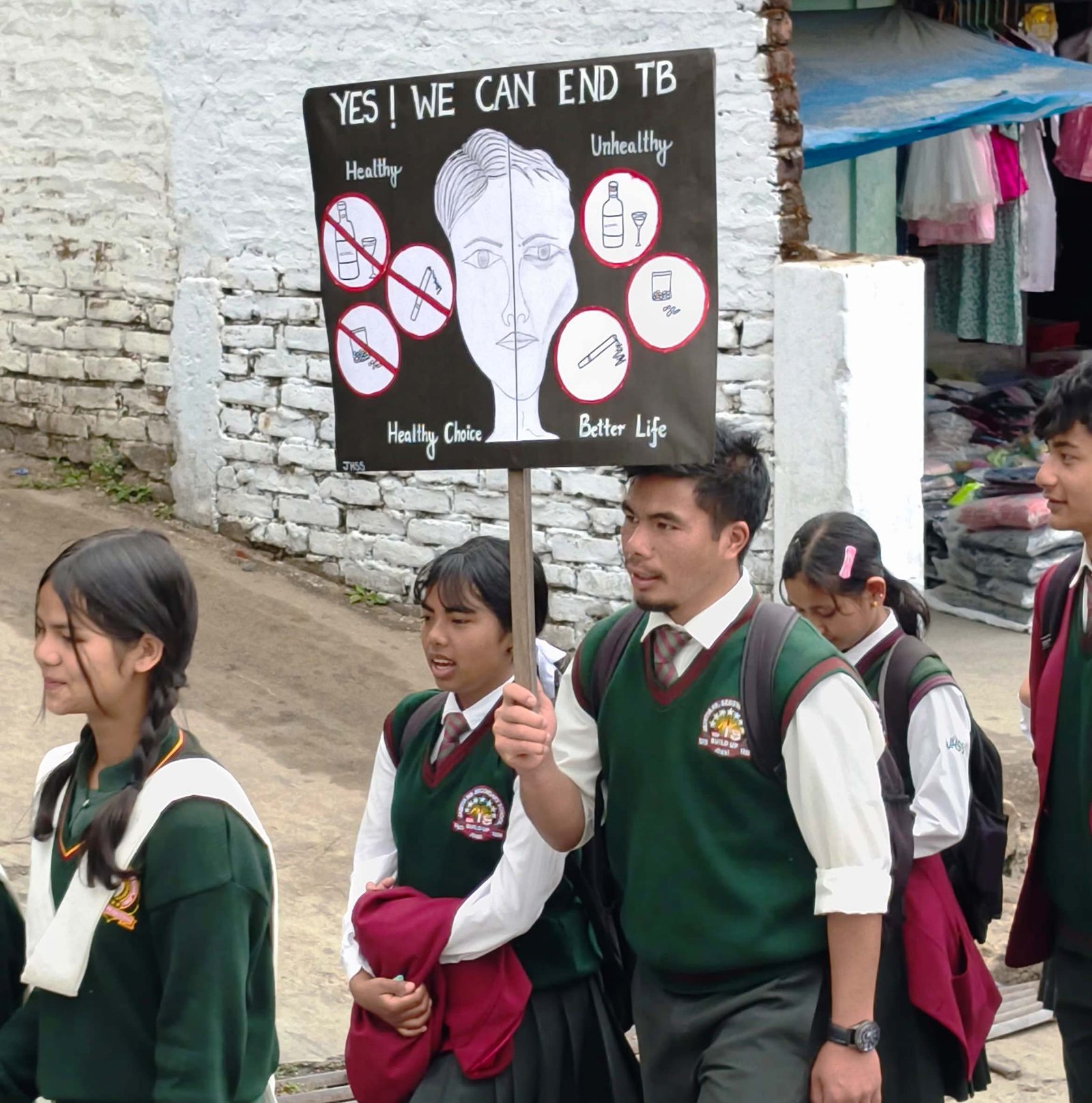
The World TB Day was organised by the office of the State Tuberculosis Officer, together with the office of the District TB Officer, East Khasi Hills on the theme, “Yes! We Can End TB: Led by countries, powered by people.”
A major highlight of the programme was the official launch of the “100 days TB campaign-Phase II.” This campaign marks a renewed and intensified effort. The goals are to enhance active case finding, ensure timely and accurate diagnosis, strengthen treatment adherence, and increase community awareness across the State.
In his address, Health & Family Welfare Minister Wailadmiki Shylla stressed that eliminating tuberculosis in Meghalaya requires a united, community-driven approach.
He praised the Chief Minister for allocating 9 per cent of the state’s total budget to health. “This itself shows where the priority of the government lies. In India, the average spending for each person is Rs 3,500. But in our State, it is Rs 7,800 per person,” he stated.
Shylla also announced plans for the operationalisation of medical colleges in Shillong and Tura. He said this will significantly contribute to the healthcare workforce and fulfill critical human resource needs.
A major highlight of the programme was the official launch of the “100 Days TB Campaign-Phase II.” This initiative signifies a renewed and intensified effort to combat tuberculosis within the state. The campaign aims to boost active case finding, ensure timely and precise diagnosis, strengthen treatment adherence, and heighten community awareness about tuberculosis.