











E-stamps, which were introduced in East Khasi Hills, have been enough of a success for the state cabinet to decide to extend the service to three other districts – West Jaintia Hills, West Garo Hills and Ri-Bhoi.
The cabinet approved an amendment to the Meghalaya Stamps (Payment of Duty by means of e-Stamping) Rules 2020 to this effect.
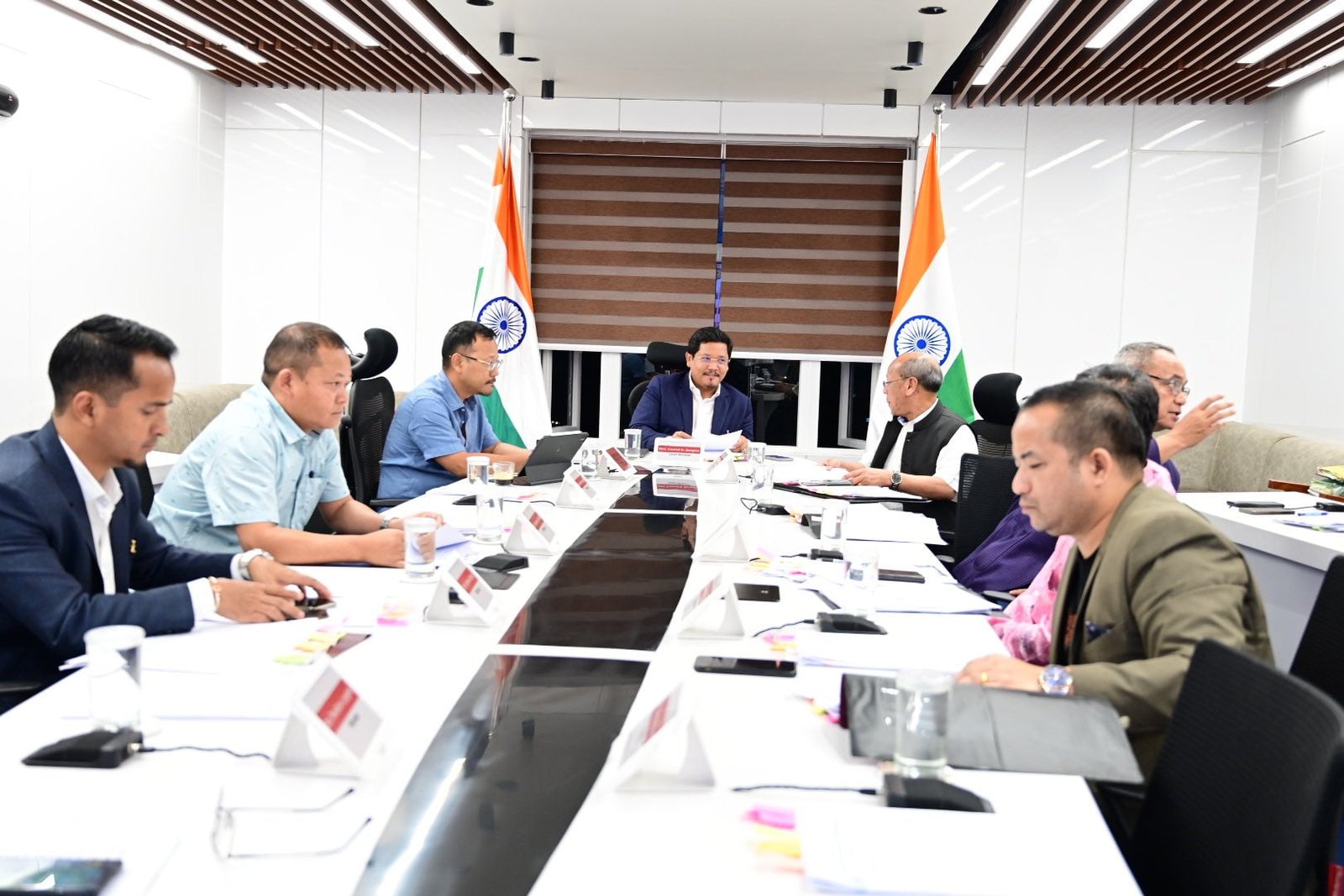
The e-stamp project was implemented in East Khasi Hills alone through a single counter in the Deputy Commissioner’s office operated by the Central Record Keeping Agency (CRA) and, “seeing the positive response in terms of ease of doing business, especially for high denomination non-judicial stamp papers”, the cabinet has decided to extend its implementation, Chief Minister Conrad K Sangma said today on social media.
Briefing reporters, cabinet minister James PK Sangma informed that the CRA suggested that the implementation of the project in other districts could be done through authorised collection centres that will be duly approved by the government.
However, the CRA pointed out that the commission charge was too low at 0.65 percent of the stamp duty collected.
Therefore, for non-judicial stamp paper of up to Rs 1,000 rupees, a service charge of Rs 10 will be levied, James said. For those above Rs 2,000, the service charge will be Rs 20.
Another amendment to the rules was also brought in wherein any person may directly log into the designated portal of the CRA and directly pay the amount of e-stamp if not exceeding Rs 500.
Meanwhile, the cabinet also approved an amendment to the Meghalaya Fiscal Responsibility and Budget Management (MFRBM) Act 2006, which will allow the annual borrowing ceiling to increase by 0.50 percent of GSDP linked to performance in the power sector. This will increase the state’s annual borrowing limit to 4 percent of GSDP during 2022-2023. The change has been sanctioned by the Union Ministry of Finance.