






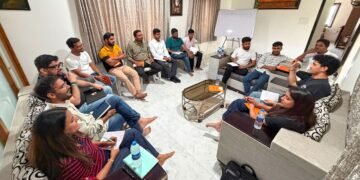



The secretary of Ka Sur U Paidbah Ka Bri U Hynniewtrep, Egenstar Kukalang, has lamented that the border agreement signed between Meghalaya and Assam on the six areas of difference was done without consulting concerned stakeholders and against the will of the people.
“We want to know if public hearings in all the villages of the six areas were just formalities because there has been a lot of dissatisfaction among the people,” he told Highland Post.
Villagers, pressure groups, civic organisations and the Khasi Hills Autonomous District Council have all expressed deep misgivings if not outright opposition to the agreement.
The government’s stand has been consistent, however, saying that, now the deal has been signed, it is impossible to go back on it. Instead, Chief Minister Conrad Sangma and Deputy CM Prestone Tynsong are more inclined to blame ex-CM Dr Mukul Sangma for supposed failings in negotiations and preparatory work when the latter was in charge in 2011.
Despite the opposition to this first phase of resolving the border dispute, the Meghalaya government is still keen on the second stage beginning. This phase will deal with ‘more complicated’ areas by Kurkalang is worried that Meghalaya will end up parting with even more land.
“We don’t want the government of Meghalaya to repeat the same mistakes in the second phase of the boundary talks for areas like Nongwah Mawtamur of Raid Domria, Block I and II, Langpih beside others. It needs to examine thoroughly and consult with all the concerned stakeholders and to work harder to base the agreement on historical facts.”
Ka Sur U Paidbah has met traditional heads of different Raids and Himas where, he said, it was learned that Assam has always been the encroacher, not Meghalaya, be it in the form of the other state’s Public Works Department, Forest Department, electricity board, pressure groups, district administrations or political parties.
He maintained that, according to historical records, most of the villages in these areas are recognised as part of traditional Khasi governing institutions, such as Himas, Dolloiship and Syiemships.