




International Women’s Day is a day to celebrate how far we have come while also acknowledging the daily battles for gender equality.
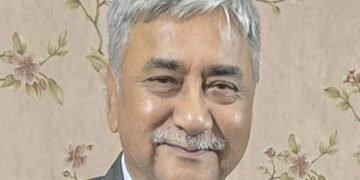
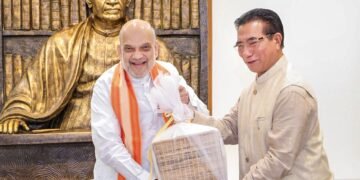
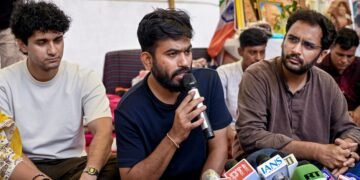
Taking this year’s International Women’s Day theme of #breakthebias, Highland Post spoke to some well-known faces on where Meghalaya women stand.
Hawker: “In general, as women seem to be the weaker sections, they experience bias in many ways in their own homes. A husband instead of being a foundation is just a burden. Daughters are left alone raised by a single mother…There are biases in the society, governance and even policy making”.
Manjorie N Dunai: “There are political, religious and reproductive biases in Meghalaya. Women are not allowed to take part in the dorbar shnongs. We don’t see women as church leaders as pastors and women are not given reproductive rights especially in the rural areas as she cannot decide on how many children she should bear.”
Angela Rangad: “Women in matrilineal Meghalaya have to be contented with patriarchal structure or patriarchal policy that emanate out of very patriarchal institution be it government or non government institutions, be family, church or traditional institution. There is a definitely gender bias in Meghalaya, the gender stereotypes with the expected role and responsibility that women are expected to fulfill.”
Phoebe D Nongrum: “In general there is biasness everywhere, but for women they always face this issue and 50 to 60 % women still face biasness when they try to fit in to the field, to achieve particular goal or career they do face biasness in Meghalaya.”
Ampareen Lyngdoh: “It is incorrect to say there is biasness to women in Meghalaya, and women will not allow any biasness. What is painful is that because we are women of the state of Meghalaya we had expected a lot more sensitive a lot more concession and recognition, and like other part of the world we are fighting for our right.”
H.M Shangpliang: “Meghalaya is a matrilineal state therefore the question of biasness is not there, though I still reiterate that we should empowerment the women of the state, empowerment is required. Crime and violence against women should be checked. Women should be protected.”