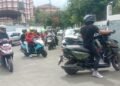










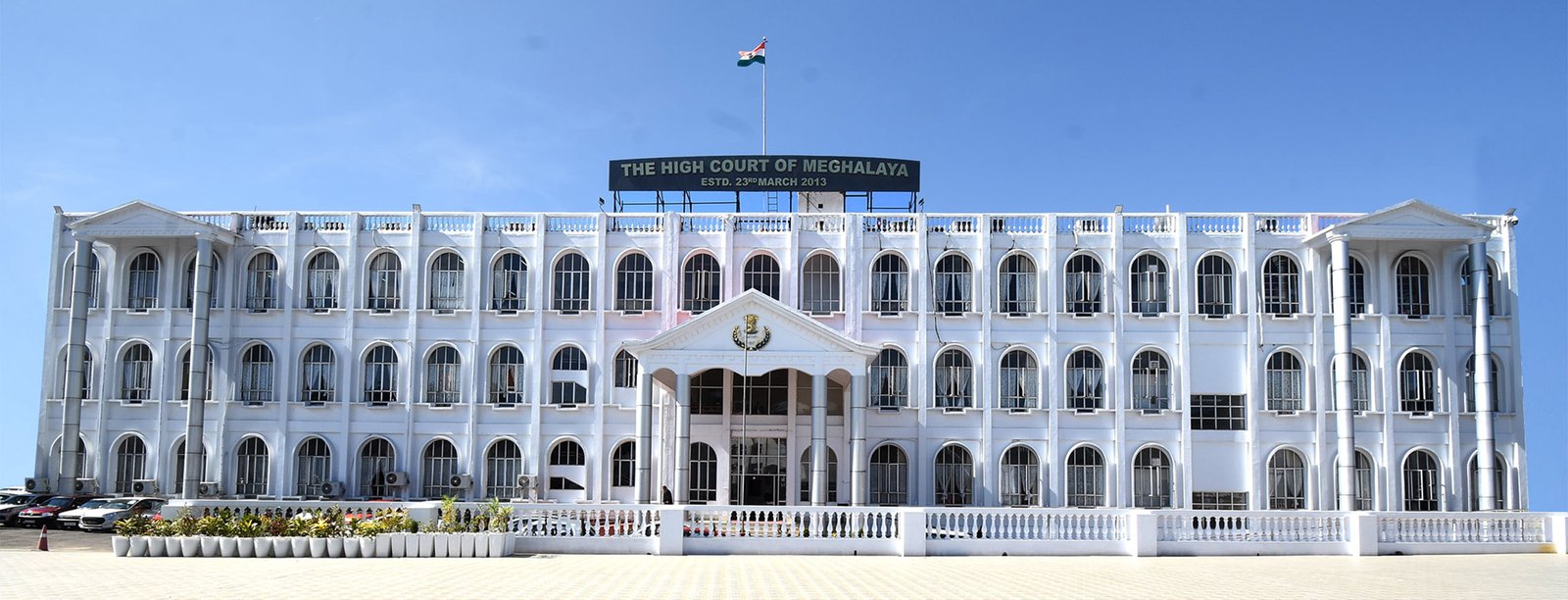
Shillong, Nov 27: The High Court of Meghalaya has criticised the state police over the August 19 violence during a Khasi Students’ Union (KSU) rally in Shillong as only seven accused have been arrested despite several people allegedly being involved in vandalising property and assaulting members of the public.
While hearing a PIL, a division bench comprising Chief Justice Revati Mohite Dere and Justice Wanlura Diengdoh observed that the police had not seriously identified the other accused.
The court questioned why the police had failed to record the rally from its starting point at the KSU office in Jaiaw, as required under the Supreme Court’s guidelines in the Tehseen S Poonawalla case.
It observed that the rally commenced peacefully around 3pm after an earlier incident had occurred outside the Secretariat around 11am, when 20 to 25 KSU volunteers allegedly placed banners and posters without authorisation.
An Executive Magistrate was directed to stop the activity, according to an affidavit by East Khasi Hills Deputy Commissioner Abhilash Baranwal.
However, the court pointed out that this affidavit appeared to contradict the police status report dated September 7, which stated that several participants had covered their faces, carried lathis and concealed vehicle registration numbers.
It also noted that CCTV footage from Jaiaw was collected only during the pendency of the petition, after the court had made observations, and expressed concern over the delay in ascertaining whether rally conditions had been violated.
The Meghalaya government submitted a fresh special investigation team (SIT) status report dated November 26 along with CCTV footage from around 32 locations, including Jaiaw, in a sealed envelope. The court requested Amicus Curiae K Paul to examine the footage at the office of the Additional Advocate General.
The court took on record an affidavit by new Director General of Police (DGP) Anurag Agarwal and a 2023 notification designating district SPs as nodal officers for mob violence.
However, the Additional Advocate General informed the court that no special task force had been constituted and no meetings held. The bench observed that the notification could not remain on paper and directed the DGP to review compliance in all districts, take appropriate steps against concerned SPs, and file an affidavit before the next hearing.
The court also directed the state to inform whether a victim compensation scheme had been prepared for mob violence victims and to provide details of any compensation awarded.
The matter will be heard again on December 11.