









Shillong, Nov 24: Young people from across Meghalaya on Tuesday presented 15 recommendations on how the state can keep healthcare, schooling and mental wellbeing within reach as floods, landslides and heat become more common.
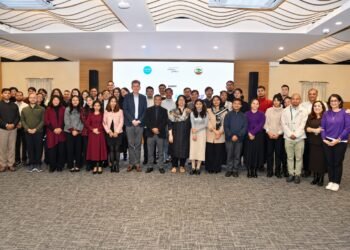
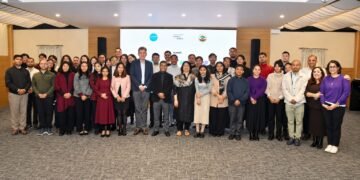
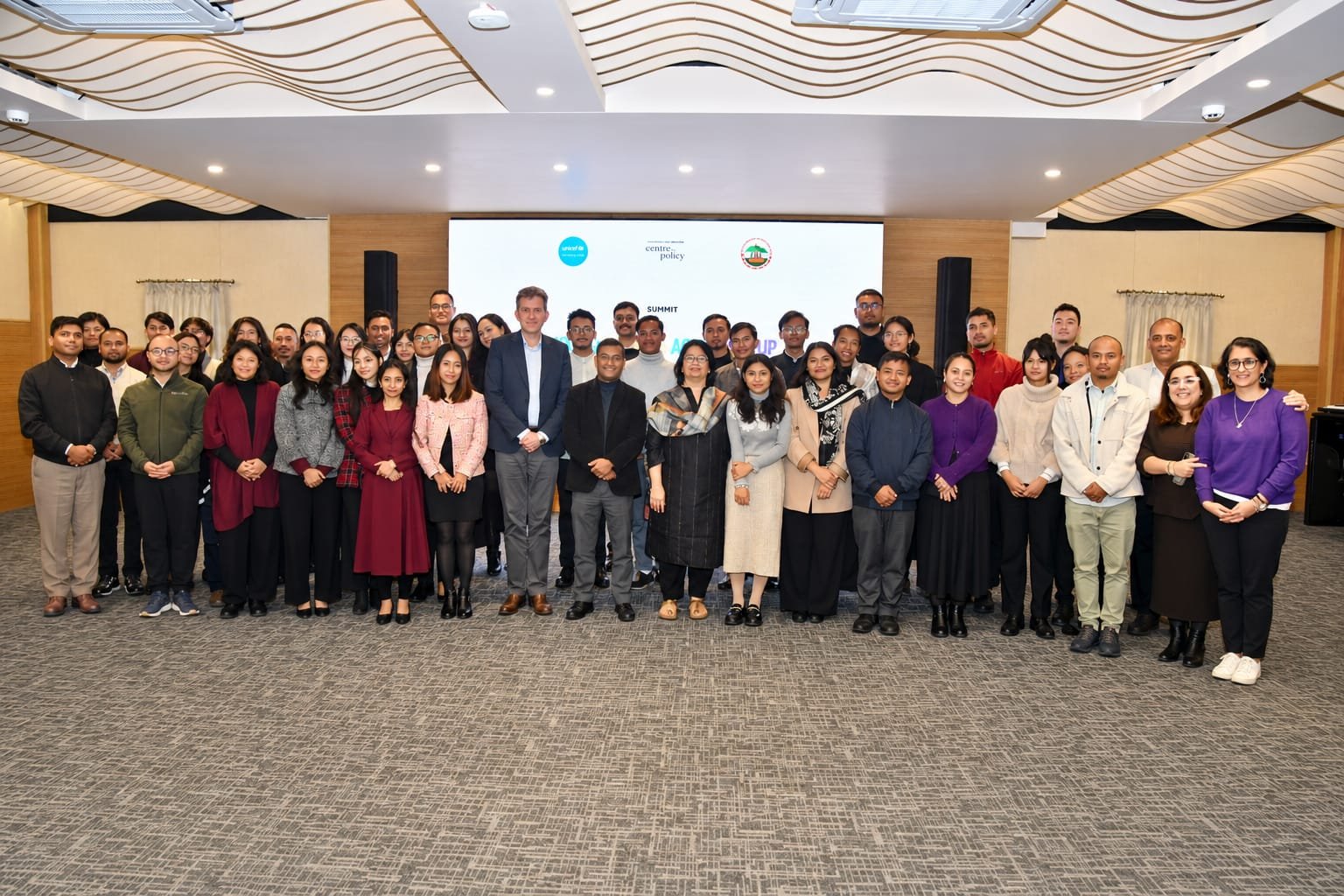
The report, Young People’s Action Group: A Youth-Led Agenda for Meghalaya, was presented at the State Guest House, here. UNICEF Assam hosted the event with the Department of Sports & Youth Affairs (DSYA) and partner Centre for Policy.
Drawing on what they have seen in their own communities, the youth also designed practical solutions of their own, from landslide warning lights to cooling curtains woven from pineapple leaves.
“This session is designed so that young people’s recommendations have somewhere to go,” Chief of Field Office, UNICEF Assam Dr Madhulika Jonathan said.
“What we heard today is the first advice from YPAG as an advisory platform, and we will take it forward with the department through the work plan.”
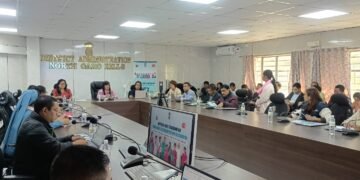
YPAG was launched in May 2026 to give young people aged 15 to 29 a regular role in policymaking. In total, 138 young people helped choose its focus, and more than 72,000 were reached online. Then 105 young people from 11 districts took part in workshops in Shillong, Nongpoh, Tura and Jowai.
Using skits, songs, posters, reels and traditional storytelling, they designed their own solutions, including LandGuard, roadside sensors and warning lights that alert drivers and emergency services to landslides, HydroLens, a river sensor on a bamboo pole that shows whether water is safe to drink, cooling curtains woven from pineapple leaves and school roofs strengthened with treated bamboo, and youth task forces that support mental health after disasters.
A 20-member cohort turned this into 15 recommendations on public health, education and mental health, including mobile health units, safe routes to school during floods, climate-proof classrooms, climate lessons in schools, and mental health care as part of disaster relief.
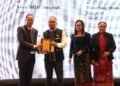
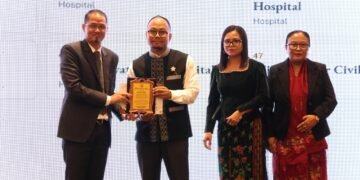
YPAG members presented their report to DSYA Director Alertson Nongbri, Dr Madhulika Jonathan, and Jesper Moller, Deputy Representative – Programmes, UNICEF India.
DSYA and UNICEF India then signed a work plan running until December 31, 2027. Under the plan, UNICEF will provide technical support for the Chief Minister’s Youth Centres, YPAG will advise on the state’s youth policy, and the state will prepare a Youth Budget Statement showing what it spends on young people.
“Nearly three-quarters of Meghalaya’s people are under 35. Young people are our biggest asset in facing climate shocks, so their voice belongs in planning,” said Nongbri.
“For a young person in a flood-hit village, health, school and peace of mind are one story. The road that closes takes them all away,” said Moller.