






Editor,
The food festival and drug awareness event held at Madan Ïewrynghep on November 19th and 20th certainly made its presence felt. There was plenty of flash, plenty of loud music and, judging by the beautiful and elaborate arrangements, seemingly no shortage of money. What appears to have been in short supply, however, was a sense of responsibility for the ground once the curtains closed.
Loud music and performances went on until around 8 pm on November 19th and 9 pm on November 20th. Did anyone stop to consider Bethany Hospital right next door, or the residents who had little choice but to listen? This is also a residential area, not a place where everyone has signed up to be an audience.
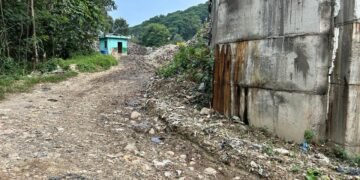
Now that the music has stopped, the neighbourhood has been left with something else: a field covered in litter of various kinds, including the waste one would expect from a food festival. After the gloomy weather over the weekend and the heavy rain, the rubbish has not disappeared. It has simply been left to soak into an already unpleasant mess.
Madan Ïewrynghep is not merely a venue to be hired for events. It is a recreational space where children and teenagers come to play football and basketball. Are they expected to play around someone else’s rubbish, or stay away until someone finally decides to clean it up?
The ground was not even cleaned in time for Seng Kut Snem on Monday the 23rd of November. Those gathered for the celebrations had to do so with the waste from the food festival staring them in the face. The ground is the venue that kickstarts the celebrations every year. Was it really too much to expect that it would be left clean and ready for those who were to use it next?
With the heavy rain and rubbish spread across it, the ground now looks like a metaphor for the Wah Umkhrah—and for the indifference that allows our shared spaces to reach such a state. We speak of “Tip Briew, Tip Blei,” but where is the jingïatiplem when a public space is left in this condition? What does pride in our culture and community mean if it does not extend to cleaning up after ourselves and showing consideration for those who come after us?
For an event that appeared to spare little expense on presentation, was hiring cleaners really beyond the budget? Surely, cleaning up should have been part of organising the event, not an optional extra once the crowd had gone home. Whether the festival made a profit or not, the responsibility for its rubbish does not disappear with the tables, the chairs, the stage or the sound system.
Those responsible for organising the event, managing the venue and granting permission for its use have questions to answer. Were any conditions imposed on cleanliness, waste disposal and restoring the field afterwards? What arrangements did the organisers make for collecting and removing the waste? What responsibility did the Rangbah Shnong of Laitumkhrah and the relevant authorities have for ensuring that the ground was handed back in a usable condition?
Bigger events, such as the many trade fairs held at the ground, have managed to clean up after running for weeks. The Sale of Work event held just days prior to this one also made sure to leave the ground clean afterwards. During the Catholic procession too, despite so many buses being parked inside, the ground appeared practically untouched afterwards. Why, then, should a two-day food festival leave such a mess?
An event held in the name of awareness should show some awareness of its own surroundings. There is little meaning in delivering a social message from a brightly lit stage while leaving the neighbourhood to deal with the rubbish afterwards.
This is not an attack on Kur Shylla or its members. I commend them for taking up a much-needed and noble cause, but a noble cause must also be followed by noble actions. This letter is a call for accountability from those responsible for organising the event and ensuring that the ground was cleaned afterwards. The same standard should apply to anyone using this shared space, regardless of affiliation.
I humbly request the organisers to clean the ground without further delay. To those allowing such events, I ask that you, as leaders of the community, ensure that responsibility extends beyond the programme itself. Madan Ïewrynghep is a shared space, not a dumping ground once the festivities are over.
Named withheld on request