



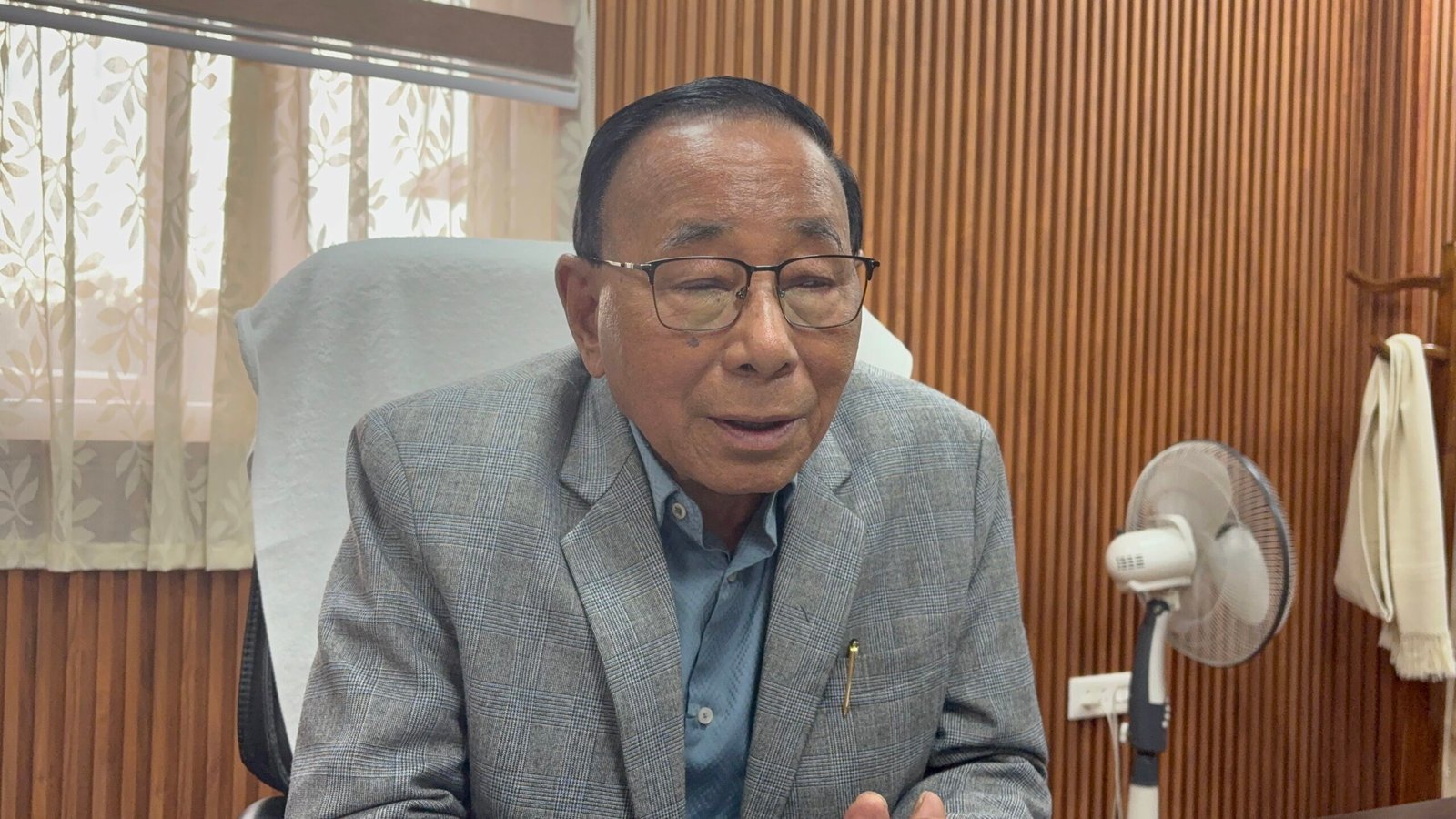
As the autonomous district councils were formed a few years after independence, there had been a post-colonial afterglow that saw the designers include non-tribal and tribal voters alike in the Garo Hills Autonomous District Council (GHADC), cabinet minister Timothy D Shira said today.
The GHADC is set to hold elections this year and, once again, pressure groups, other organisations and political parties have been pressing for the exclusion of non-tribal, and more specifically non-Garos, from voting in the election.
Shira today explained that the ADCs were constituted in 1952, just five years after independence, and it was felt then that as non-tribals and tribals had both struggled for freedom from the British together there should be no exclusion from the councils.
“In the struggle for independence there was no discrimination between a tribal and non-tribal. All Indians struggled together,” Shira said, adding a reminder that Gandhi was against discrimination against anyone on the basis of religion, language or caste.
However, he admitted that as the GHADC’s raison d’etre is for the development of the Garo people and the maintenance of their traditions and heritage there is little sense in non-tribals taking part in the ADC elections.
But since non-tribal voters have not been deleted from the electoral rolls of the GHADC it will not be possible for the government to keep them from exercising their franchise, the minister added.
According to him, before the non-tribals are barred from voting in the GHADC elections , their names should be deleted but this has not been done and therefore there is no reason not to allow them to vote.
Meanwhile, on the upcoming MDC elections, Shira opined that his party, the National People’s Party (NPP) will secure a majority in the GHADC even though he admitted that in some constituencies the fight will be tough. The NPP is currently in power in both the GHADC and state government.