










Shillong, Nov 11: The Social Welfare Department has drawn up a comprehensive set of standard operating procedures (SOPs) aimed at addressing the growing concerns surrounding early marriages and violence against women and children in the state.
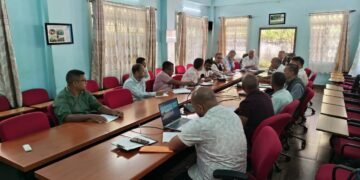
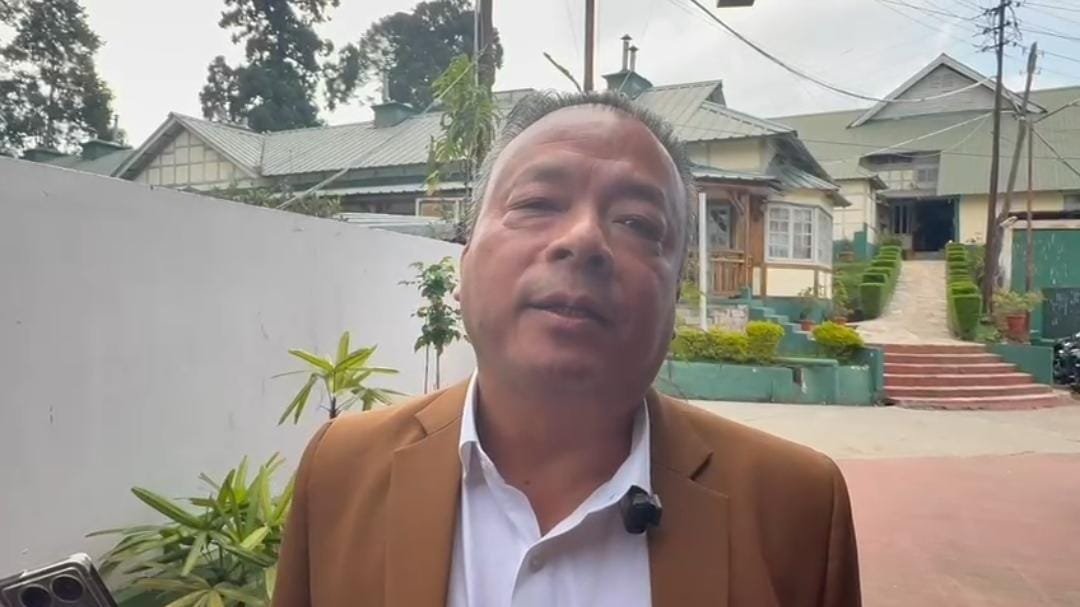
This was informed by Adviser to the Social Welfare Department and former minister Paul Lyngdoh after a consultative meeting with key stakeholders here today.
Lyngdoh mentioned that the proposed SOPs have been formally submitted for legal vetting. “We have prepared and submitted the SOPs which outline how to balance between traditional practices, such as early marriages, and the legal provisions under the Protection of Children from Sexual Offences (POCSO) Act,” Lyngdoh explained. “The document is now with the Advocate General for review. Once his opinion is received, the SOPs will be made public and submitted to the Meghalaya High Court, especially since several related cases are pending before it,” he added.
Lyngdoh noted that while the law clearly prohibits child marriage, many rural communities in Meghalaya continue to follow customary practices involving adolescent unions. “Many villages are not even aware of laws like POCSO,” he said. “Because child marriage has never been a formal institution in the state, enforcing the Act becomes difficult. We see several instances where young girls, barely 13 or 14, become mothers, and when law enforcement intervenes, the community cites ignorance, saying such customs have existed for generations.”
To bridge this gap, Lyngdoh said the department will deploy counsellors, Child Development Project Officers (CDPOs) and trained experts to reach remote villages and raise awareness about the legal and social implications of early marriages. He also stressed the importance of community participation in law enforcement, urging stronger collaboration between police personnel and local bodies.
“This is where community policing must play a key role,” Lyngdoh asserted. “In several areas, the nearest police outpost is hours away, which makes it difficult to respond quickly. By strengthening the Village Defence Parties (VDPs) and encouraging both men and women in the community to take part in local safety initiatives, we can build a more responsive system.”